Incentives
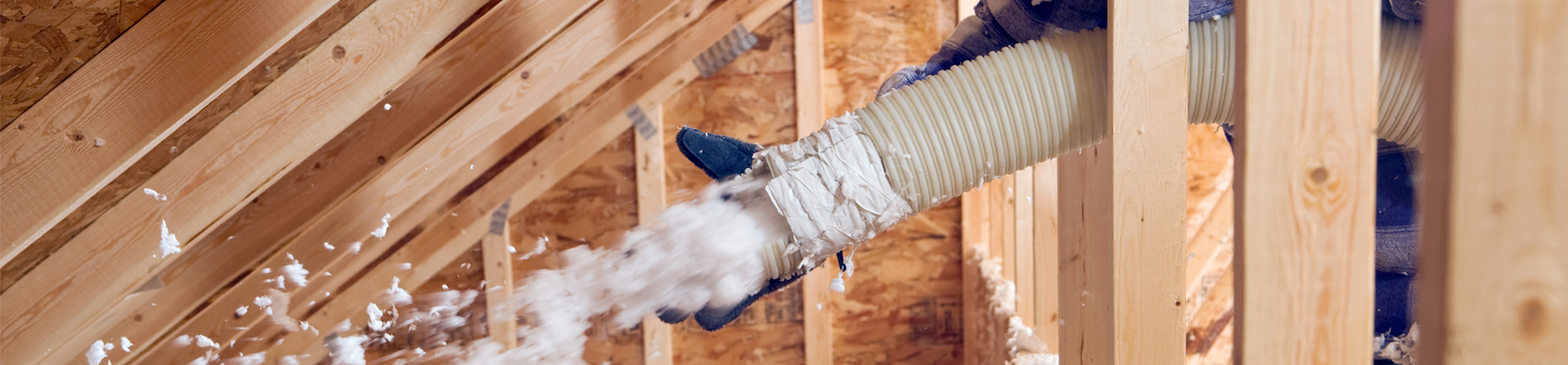
Home energy efficiency upgrades are a great way to save money and help protect the environment. There are many programs available to help offset your investment!
For the most up-to-date information on rebates for energy efficiency upgrades, visit betterhomesbc.ca, the information hub for unbiased energy efficiency information on homes. Check out their Rebate Search Tool for a list of all the rebates currently available. It is your responsibility to read, understand, and meet the eligibility requirements by reviewing applicable program requirements before you start your energy efficiency upgrades.
For programs for upgrading multi-unit residential buildings, commercial buildings, and businesses check out betterbuildingsbc.ca.
Programs for Existing Homes
The Home Energy Navigator Program is supported by local governments to support homeowners throughout their retrofit journey. Homeowners are connected with a free Energy Concierge who can assist with contractor selection, quote comparisons, rebate applications, and more. Sign up for the program here!
Program Offerings
- A free consult with an Energy Expert to discuss any goals, issues, or concerns you have with your home's energy efficiency.
- Support from an Energy Concierge in navigating the complexities of home energy upgrades and rebates.
- A Quote Comparison Report, and Custom Rebate Application Guide, and more.
Supported Regions
- Greater Victoria Region
- Regional District of Nanaimo
- City of Nanaimo
- City of Courtenay
- City of Kelowna
Contact Information
- Toll-Free: 1-866-381-9995
- Email: info@homeenergynav.ca
Available to homeowners of any income level, this program offers rebates for heat pumps, windows and doors, insulation, and more. Review the Program Requirements for information on eligibility, upgrade requirements, and deadlines.
Individual Rebates
- Insulation
- Ductless Heat Pump
- Central System Heat Pump
- Air to Water Heat Pump
- Electric Heat Pump Water Heater
- Electrical Services Upgrade
- Windows and Doors
- Two Upgrade Bonus
Energy Advisor Supported Rebates
- Home Energy Improvement Bonus - receive $750-$2,000 for installing three or more bonus eligible upgrades between your pre- and post-retrofit EnerGuide home evaluation. The rebate is calculated as $20 per percentage reduction in your EnerGuide Rating.
Application and Deadline Requirements
Supporting Documentation
All applications must be submitted with supporting invoice documentation. Some upgrades may also require supplementary documentation. See sample invoices. You may wish to provide your contractor with these samples to ensure each item outlined is clearly indicated on your invoices.
Deadlines
- For individual upgrade rebates, you must submit your application form(s) to the Rebate Program within 6 months of the date on your invoice(s). It is your responsibility to ensure the Rebate Program receives your application form and supporting documentation within this deadline. City Green and energy advisors working with City Green do not complete this form for you and take no responsibility for ensuring it is received by the deadline.
- For the Home Energy Improvement Bonus you must complete three bonus-eligible upgrades and a post-retrofit EnerGuide home evaluation within 18 months of your pre-retrofit EnerGuide home evaluation, and submit your application form(s) to the Rebate Program within 6 months of your post-retrofit EnerGuide home evaluation. It is your responsibility to ensure that your post-retrofit evaluation is scheduled within 18 months of your pre-retrofit evaluation to ensure your application form can be submitted within your deadline.
- For the EnerGuide home evaluation rebates, you must submit your application form(s) within 6 months of the date of your pre- or post-retrofit EnerGuide home evaluation(s).
Application Form
Use the online application form to apply for your rebates.
The CleanBC Energy Savings Program is a provincial program that launched in June of 2024 and replaced the CleanBC Better Homes Income Qualified Program. The CleanBC Energy Savings Program offers rebates based on household income up to $44,900. Note, you must pre-register and receive a program eligibility code before completing any upgrades. It is your responsibility to read, understand, and meet the eligibility requirements by reviewing the Program Requirements before you start your energy efficiency upgrades.
You can maximize your financing assistance by pursuing CleanBC Better Homes Energy Savings Program rebates and a loan from the Canada Greener Homes Loan Program; however, please note that both programs have different application steps, deadlines, and eligibility requirements.
The CleanBC Better Homes Energy Savings Program cannot be combined with the CleanBC Better Homes and Home Renovation Rebate Program.
Individual Rebates
- Heat pumps – up to $19,000
- Heat pump water heater – up to $3,500
- Electric service upgrade - up to $5,000
- Insulation (Income levels 1 and 2) – up to $5,5000
- Windows and doors (Income levels 1 and 2) - up to $9,500
- Ventilation (Income levels 1 and 2) - up to $1,600
- Health and safety - Up to $800
Deadline and Application Requirements
A rebate application and supporting documentation must be submitted by your program registered contractor to the CleanBC Better Homes Energy Savings Program within six (6) months of your retrofit’s invoice date.
Supporting Documentation
All rebate applications must be submitted with supporting invoice documentation. Some particular upgrades may also require supplementary documentation. To view sample invoices, visit the webpage for CleanBC Energy Savings Program and toggle the “View sample invoices” tab, under the “Eligibility Requirements” section.
Application
You must complete CleanBC Energy Savings Program’s pre-screen and pre-registration to determine your eligibility through the program’s participant portal. Once confirmed you will receive an eligibility code, permitting you to begin contacting program registered contractors to begin your desired upgrades.
- CMHC Mortgage Loan Insurance - the Canada Mortgage and Housing Corporation’s Green Home Program provides either a 15% or 25% premium refund on your mortgage loan insurance when you purchase or construct a new home that meets or exceeds eligible building standards.
- Sagen Mortgage Loan Insurance - the Sagen Mortgage Loan Insurance Premium Refund Program provides up to a 25% Premium Refund on your Mortgage Loan Insurance when you improve the energy efficiency of your newly purchased home.
Receive rebates for ENERGY STAR® certified refrigerators, washers and dryers.
- BC Hydro appliance rebates - BC Hydro offers appliance rebates periodically. Check the BC Hydro website for more information on the program timelines and rebates available.
- FortisBC appliance rebates - you must be a FortisBC electricity customer to qualify for these rebates. Check the FortisBC website for more information.
The Energy Conservation Assistance Program is for income-qualified households and provides an in home visit with free energy-saving product installation including energy-saving LED light bulbs, high efficiency showerheads, and weather-stripping to reduce drafts. FortisBC also offers a $25 furnace filter coupon. Some homes may also qualify for an ENERGY STAR® refrigerator, insulation in walls, attic, and/or crawlspace, and/or a high-efficiency gas furnace. You can also receive customized energy coaching for how to improve your home’s efficiency.
BC Hydro, FortisBC, Pacific Northern Gas and local municipal utilities are offering free energy saving kits for income-qualified households. The kits include the following: water-efficient showerhead, kitchen and bathroom faucet aerators, weather-stripping, window film, outlet and switch plate sealers, a refrigerator/freezer thermometer, an LED night light and four LED light bulbs, a furnace filter coupon (for FortisBC gas customers), & installation guide.
Programs for New Homes
Access rebates for working with an Energy Advisor to build your new home in compliance with BC Energy Step Code. Rebates of up to $8,000 are available, plus additional rebates for installing select high-efficiency natural gas or electric appliances and water heaters.
Check the FortisBC website for more information. Contact one of our new homes energy advisors to get your project started.
- Genworth Mortgage Loan Insurance - The Genworth Energy-Efficient Housing Program provides either a 15% or 25% premium refund on your mortgage loan insurance when you purchase a new home built under a qualifying energy efficient building program.
- CMHC Mortgage Loan Insurance - The Canada Mortgage and Housing Corporation’s Green Home Program provides either a 15% or 25% premium refund on your mortgage loan insurance when you purchase or construct a new home that meets or exceeds eligible building standards.